Menu
Menu
In June 2024, I hit record for the first time. No fancy studio. No polished intro script. Just a genuine question I couldn’t stop asking; “what does it actually look like to be Autistic and truly thriving?”
As we approach our second anniversary, I want to pull back the curtain and share the real reason The Deep Dive exists — because it wasn’t born out of a business plan. It was born out of something I needed to see in the world.
What I saw on social media that changed everything. Before I launched the podcast, I spent a lot of time on social media. And something stopped me in my tracks: Autistic people — real, unfiltered, unapologetically themselves — living their best lives. Not despite being Autistic. Not by hiding it. But with it, through it, because of it.
These weren’t highlight reels or inspiration porn. These were people being honest about the hard stuff while simultaneously showing the world what joy, purpose, and authentic living could look like as a neurodivergent person. I was moved. I was inspired. And I was hungry to hear more.

That’s what The Deep Dive Podcast was always meant to be. Not a platform for tragedy narratives or cautionary tales. A space where Autistic people could simply be — and in doing so, show the rest of the world what’s possible.
I don’t talk about Autistic Burnout because it’s a trending topic. I talk about it because I’ve lived it.
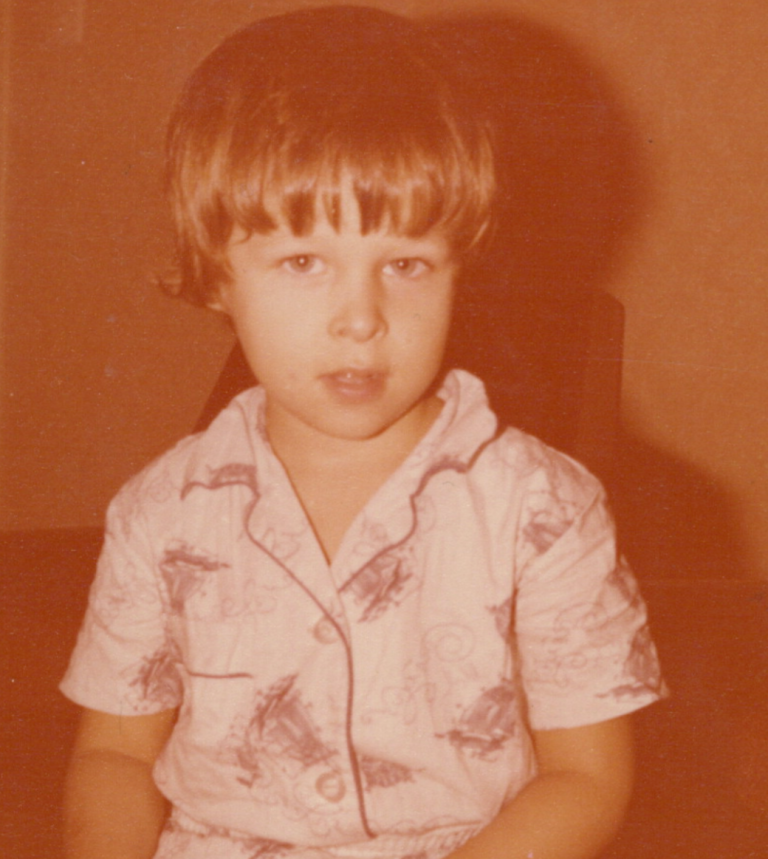
Diagnosed with PDD-NOS at age three, rediagnosed with Asperger’s in 2010 and Autism in 2017, I have spent my entire life navigating a world that was not designed for my brain. I also live with ADHD and expressive and receptive language disorders. And somewhere along the way — through years of masking, overperforming, and silently enduring environments that drained me to the bone — I burned out.
I know the career cost. I know the health cost. I know the identity cost. When burnout hit, it didn’t come with a warning label. It crept in slowly, then arrived all at once — and the aftermath was profound.
Autistic Burnout is not a personal failing or a mental health event that happens outside of work. It is directly caused by environments that demand constant masking, social performance, and sensory endurance — with no sustainable relief.
Left unaddressed, it costs organisations an average of 1.5 to 2 times an employee’s annual salary in recruitment and lost productivity. Per person. The cost is real, and the warning signs were almost always there.
This is why I stand on stages, and press record. Because Autistic Burnout is preventable. And organisations that genuinely care about their neurodivergent people — not just their diversity metrics — can be part of the solution.
The conversation in most workplaces starts and stops at awareness. Awareness sessions. Awareness weeks. Awareness campaigns. And while awareness is a starting point, it is not enough. Awareness without understanding changes nothing.
Working well with Autistic people doesn’t require a degree or a perfect policy. It requires a willingness to move from knowing about Autism to understanding the actual human in front of you. Here’s what that looks like in practice:
Listening first. Autistic employees are often the first to see what isn’t working in a system — and the last to be asked. Create genuine channels for honest feedback and actually act on what you hear.
Avoiding rewarding masking. When workplaces only recognise the Autistic employee who performs neurotypicality perfectly, they are rewarding the behaviour that leads directly to burnout. Psychological safety means people can show up as they are — not just as they think you want them to be.
Making flexibility the default, not the exception. Many of the accommodations Autistic employees need — clear communication, written instructions, sensory-considerate environments, predictable structures — also benefit every person on your team. Inclusive design lifts everyone.
Understanding the Double Empathy Problem. Autistic people are not deficient in empathy. But there is often a genuine mismatch in communication styles between Autistic and non-Autistic people — and the burden of bridging that gap should not fall solely on the Autistic person. This is a two-way street.
I am a Content Developer at Empower Autism. I speak at conferences — including the Neurodivergent Minds Conference, the Neurodivergent Affirming Therapy Conference, the Neurodivergent Wellbeing Conference, and the Brisbane and Gold Coast Disability Expos. I host over 60 episodes of conversations that I believe matter.
But underneath all of it is something simple: I do this work because I wish someone had done it for me.
I wish I had seen more Autistic people living authentically before I spent years trying to fit myself into spaces that weren’t built for me. I wish workplaces had understood what burnout was before it reached the point of no return. I wish someone had stood in a room of managers and HR leaders and said, “this is what’s happening to your people, and here is what you can actually do about it.”
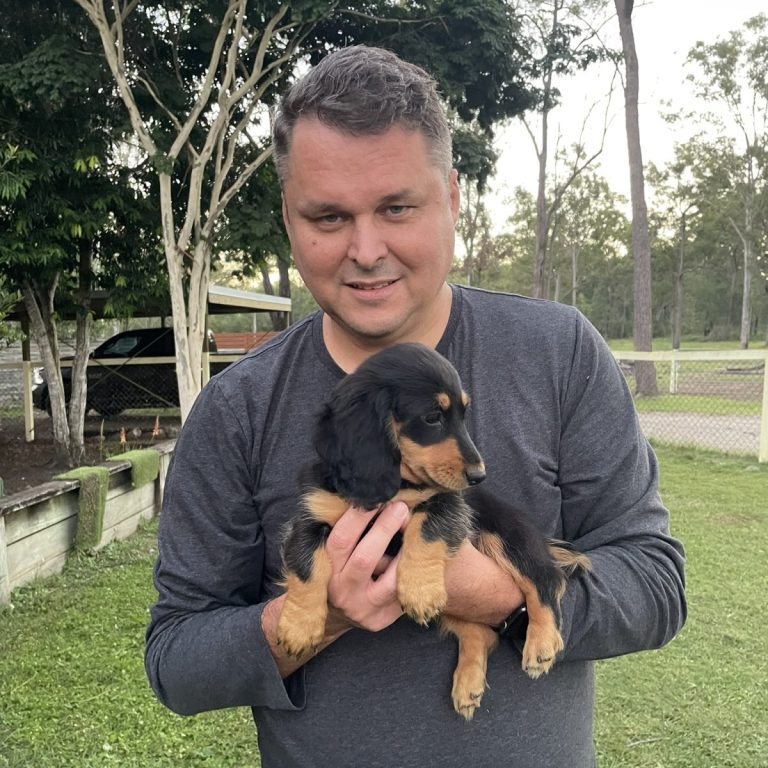
I deliver the conversation that moves people from knowing to doing.
That is the work. That is what drives me to press record, to step onto a stage, to write, to speak, to create. Because somewhere out there is an Autistic person burning out in a workplace right now — and somewhere out there is a manager who genuinely doesn’t know what they’re missing, or what they could change.
My job is to close that gap.
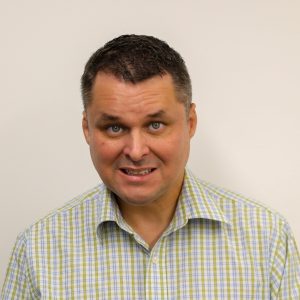
Michael Coles knows what it’s like to spend decades in a world that wasn’t designed for the way his mind works. Diagnosed with autism at age three, then again with Asperger’s Syndrome at 35, and rediagnosed with Autism Spectrum Disorder in 2017, his journey to understanding himself — and being understood — has been anything but linear. He was also diagnosed with Expressive and Receptive Language Disorders in 2024, and ADHD in 2025.
Michael currently works as an accessibility advocate and neurodivergent entrepreneur; hosting his podcast The Deep Dive AU and supporting other Autistic people as a Content Developer and Mentor for Empower Autism’s Empowered Pathways program are just some of the ways he is dedicated to building a more inclusive Australia.